How Invisalign Aligner Changes Affect Your Dietary Habits and Nutritional Timing Throughout Treatment
Understanding the Relationship Between Clear Aligners and Your Eating Schedule
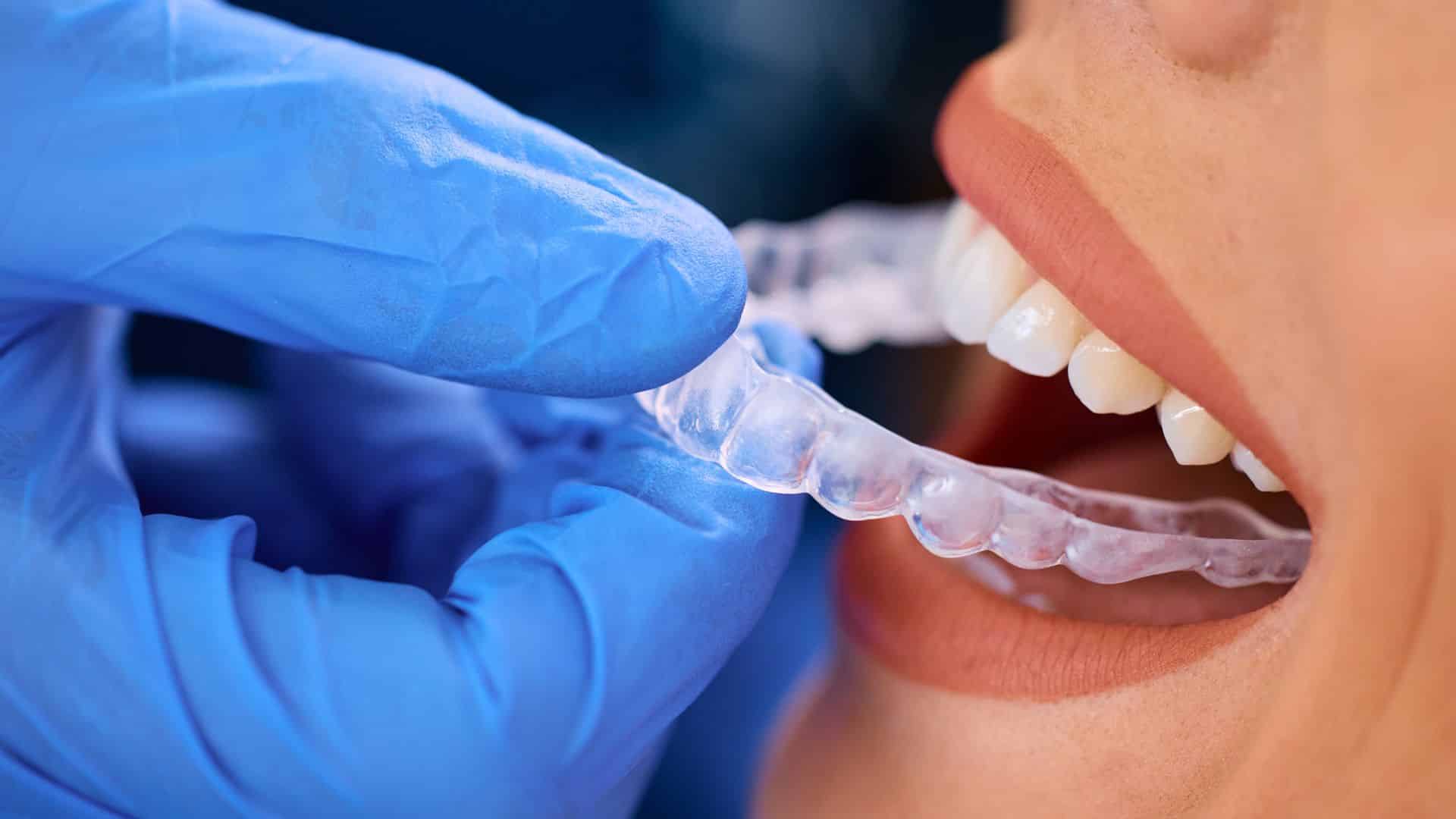
The journey towards a straighter smile with clear aligners represents a significant commitment that extends far beyond simply wearing the devices. One of the most notable adjustments patients experience involves reconfiguring their relationship with food and drink. Unlike traditional fixed braces, Invisalign Limerick demands a particular approach to mealtimes, snacking habits, and beverage consumption that can fundamentally reshape daily routines.
The requirement to remove aligners before consuming anything other than water creates a structured framework around eating that many patients find surprisingly transformative. This necessary ritual of removing, eating, cleaning teeth, and reinserting aligners typically needs to occur within a timeframe that allows for the recommended 22 hours of daily wear. Consequently, spontaneous snacking becomes less appealing when weighed against the effort required to maintain proper aligner hygiene and treatment efficacy.
The Twenty-Two Hour Rule and Meal Planning
Orthodontic professionals generally advise patients to wear their aligners for at least 22 hours daily, leaving approximately two hours for meals and oral hygiene. This guideline necessitates thoughtful consideration of when and how often one eats throughout the day. Many individuals discover that consolidating their eating into three substantial meals, rather than grazing throughout the day, becomes the most practical approach to treatment compliance.
For those seeking dentist Limerick services offering clear aligner treatment, understanding these temporal constraints proves essential before commencing therapy. The adjustment period typically spans the first few weeks, during which patients develop new habits and routines that accommodate both their nutritional needs and treatment requirements. Managing daily habits with clear aligners requires commitment but becomes second nature with practice.
Nutritional Considerations During Treatment
Planning Balanced Meals Within Time Constraints
The time limitations imposed by aligner wear schedules encourage patients to prioritise nutrient-dense foods that provide sustained energy. Rather than viewing this as a restriction, many individuals recognise the opportunity to improve their overall dietary quality. Meals rich in protein, healthy fats, complex carbohydrates, and essential vitamins support both general wellbeing and optimal oral health during orthodontic treatment.
Hydration and Beverage Choices
Water remains the only beverage that can be safely consumed whilst wearing aligners, which means tea, coffee, and other coloured drinks must be enjoyed during designated meal periods. This restriction often leads to increased water consumption throughout the day, which benefits overall health and helps maintain optimal saliva production for oral hygiene. Patients quickly learn to savour their morning coffee or afternoon tea as part of a more mindful eating ritual rather than a continuous sipping habit.
The elimination of sugary drinks between meals also reduces the risk of dental decay, as teeth are exposed to fewer acidic and sugar-laden substances throughout the day. This inadvertent dietary improvement often results in better oral health outcomes beyond the orthodontic benefits of straighter teeth.
Adapting to New Eating Patterns
The Psychology of Structured Mealtimes
Many patients report that the structured approach to eating imposed by Invisalign Limerick treatment creates a healthier relationship with food. The conscious decision to remove aligners, eat, and complete oral hygiene before reinserting them introduces a natural pause that encourages mindful consumption. This deliberate process can reduce mindless snacking and promote greater awareness of hunger cues versus habitual eating.
Furthermore, maintaining proper nutrition during orthodontic treatment supports the biological processes involved in tooth movement. Adequate calcium, vitamin D, and protein intake contribute to bone remodelling, whilst vitamin C supports gum health throughout the alignment process.
Social Situations and Flexibility
Navigating social dining occasions requires some advance planning but need not diminish enjoyment. Patients learn to time their aligner removal strategically, ensuring they can participate fully in meals with friends and family. The removable nature of clear aligners offers distinct advantages over fixed braces in these scenarios, allowing individuals to eat without dietary restrictions once the aligners are out.
Understanding nutrition’s role in orthodontic success helps patients make informed choices that support their treatment goals whilst maintaining social connections and quality of life.
Embracing the Dietary Transformation
The dietary adjustments required during clear aligner treatment often extend beyond the duration of orthodontic therapy itself. Many patients find that the structured eating patterns and improved food choices become permanent lifestyle changes that contribute to better overall health. The experience of Invisalign Limerick treatment thus offers benefits that transcend aesthetic improvements, fostering habits that support long-term wellbeing and a more intentional approach to nutrition.