Maximize RV Clearance With Metal Garages Designed For Oversized Vehicles
Most RV storage regrets start at the door header, not the roof. With rooftop air units, a Class A coach reaches 13’6″. Every inch above that mark shapes daily parking. Partnering with a metal building contractor in burleson, tx ties those numbers to actual framing. Opening size, eave math, roof profile, and footprint all decide the outcome. Local zoning adds one more layer worth checking early.
Clear Door Openings Set the Limit
A 14-foot clear opening suits most Class A motorhomes. Travel trailers manage with twelve feet, yet fifth wheels climb higher. Roll-up doors coil tightly above the frame. Sectional panels ride horizontal tracks that consume headroom. For a rig near 13’6″, roll-up hardware protects precious inches.
How Much Eave Height Is Enough?
Wall rise and opening size are separate measurements. Designers add required headroom plus a framing margin above the door. A 14-foot entry often pairs with a 16-foot eave. That spare space allows climbing up for roof sealing. Later, a taller coach can move in without remodeling.
Hidden Obstructions That Steal Overhead Space
Rated opening size rarely equals usable clearance. Watch for parts that hang lower than expected:
- Torsion springs stretch across the header above.
- Electric openers drop down from the ceiling.
- Truss bottom chords can sit below eave level.
- Light fixtures and fans eat vertical margin.
Which Roof Style Handles Texas Storms?
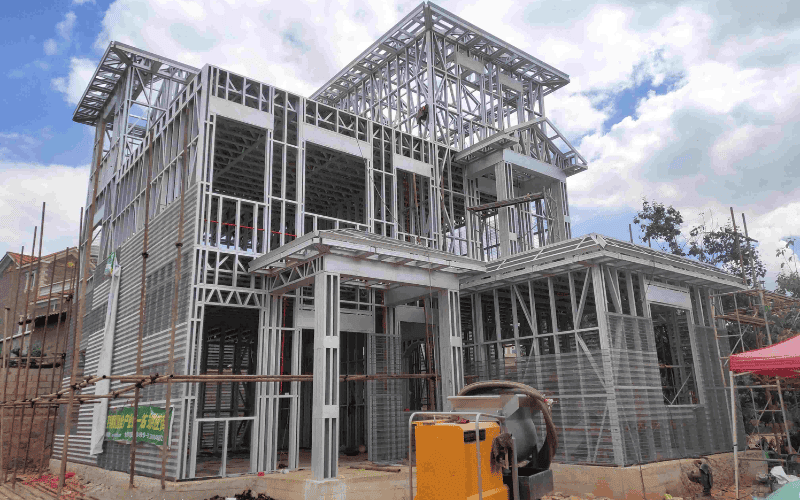
A vertical roof sheds rain and hail debris fastest. Its panels run from peak to eave, so water never pools. North Texas spring storms test anchors hard. A trusted metal building contractor in burleson, tx pairs this profile with wind-rated anchoring. That combination keeps a six-figure coach dry year-round.
Length and Width Need Equal Attention
Clearance grabs attention, yet a cramped footprint creates fresh headaches.
- Allow 45 to 50 feet.
- Leave space for slide-outs.
- Add doors on both ends.
- Keep walkways along each side.
Do Local Rules Cap Building Peaks?
Accessory structures face peak limits under city codes. HOA covenants in Burleson subdivisions may restrict things further. Checking these caps before design avoids redrawn plans. When limits feel tight, a lower roof pitch preserves door clearance.
Building for the Next Coach Purchase
Measuring only the body wall plans for the wrong vehicle. The rooftop AC shroud sets the true figure. At 13’6″, a 12-foot door offers zero forgiveness. Add a satellite dome on a future rig, and margins vanish. Owners who frame around tomorrow’s coach skip a costly rebuild.
FAQs
What door size fits a Class A motorhome?
A 14-foot clear opening covers most Class A coaches with rooftop units. A width of 12 to 14 feet gives mirrors comfortable room.
Is a roll-up or sectional door better for RVs?
Roll-up doors keep more headroom because the coil sits above the opening. Sectional doors insulate well but need track space overhead.
How long should an RV garage be?
Plan 45 to 50 feet for a full-size Class A. Extra length leaves room for a workbench or storage shelves.
Is a permit needed for a metal RV garage in Burleson?
Accessory buildings above a set size require a city permit. Confirm zoning and HOA height rules before finalizing plans.